I Forgive You
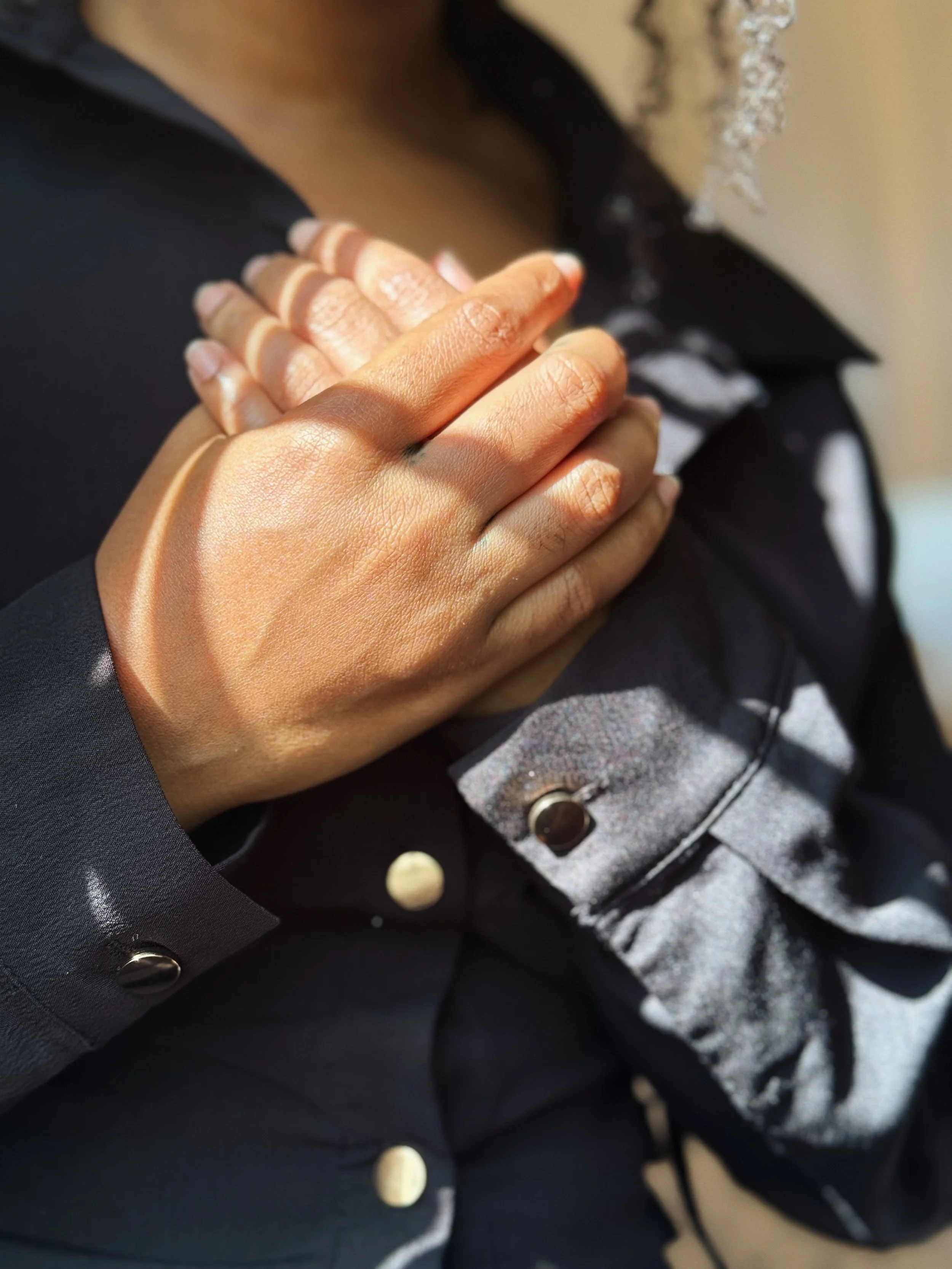
Loving God and loving others sounds beautiful; until forgiveness is required.
Earlier, we spoke about love as a response (see here). In the same way, forgiveness flows from sincere love; the kind of love the Father has shown us and calls us to reflect.
I have not mastered this.
There are still moments when pain, disappointment, and hurt feel heavy. Yet I have learned to continually surrender those things to the Father. As I release them to Him, I find myself feeling lighter. Little by little, the weight loses its grip.
True forgiveness is often less about a single moment and more about a continual act of surrender.
We all experience hurt, disappointment, and offense, often from the people we care about most. Sometimes we choose to avoid the pain altogether, sweeping it under the rug and convincing ourselves that we've moved on. But unspoken wounds do not simply disappear, they remain beneath the surface, influencing our thoughts, emotions, and reactions. It is difficult to confront those feelings honestly; it is even harder to forgive.
Part of that difficulty comes from misunderstanding what forgiveness is. We sometimes mistake forgiveness for making the offense seem insignificant. We tell ourselves, "It doesn't matter anymore," while quietly carrying the wound with us. Then a familiar situation arises, a certain name is mentioned, or a similar offense occurs, and suddenly we are triggered by the same pain. In those moments, we realize the issue was never truly released; it was merely concealed.
Forgiveness does not mean pretending the hurt was small. It means acknowledging the wound honestly and choosing to place it in the Father's hands rather than allowing it to continue governing our hearts.
Even when we do not openly mistreat those who have hurt us, unresolved pain has a way of following us. It seeps into our relationships with people who had nothing to do with the original offense, and it affects the way we see ourselves. We begin repressing emotions, guarding our vulnerabilities, and building walls where trust once existed. Over time, those defenses can prevent us from loving wholeheartedly, extending gentleness, or receiving love freely from others.
In that way, unforgiveness becomes a quiet captivity. The person who wounded us may have long since moved on, yet the wound continues to shape our responses, our relationships, and our peace. Freedom begins when we stop carrying what the Father has asked us to surrender. Forgiveness is not excusing what happened; it is releasing our right to keep holding it and entrusting both the hurt and the outcome to Him.
Forgiveness and the Death of Pride
Forgiveness is more than saying the words, "I forgive you."
True forgiveness requires something within us to die. Often, what resists forgiveness is not only the pain itself but also our pride. We want acknowledgment; we want justice on our terms. We want people to understand the depth of what they did to us. Sometimes our ego quietly convinces us that holding onto the offense protects us from being hurt again.
Forgiveness is the surrender of our right to carry resentment. It is choosing to release what we cannot change and entrusting it to the Father. It does not mean the wound was insignificant, nor does it mean trust is instantly restored. It simply means we stop allowing the offense to occupy a place in our hearts that belongs to YAH alone.
When Bitterness Takes Root
When forgiveness is delayed, bitterness settles quietly into the heart and slowly begins shaping the way we see people, situations, and even ourselves.
Over time, it can leave us weary and guarded. It clouds our discernment, fuels assumptions, and makes it difficult to experience peace. What began as a wound gradually becomes a lens through which we interpret the world.
For a long time, my own unforgiveness disguised itself as cynicism.
I carried deep trust issues and I rarely took people's words at face value. Instead, I waited for proof. If someone told me something, part of me assumed it was only a matter of time before I discovered otherwise. I would often expect dishonesty before giving honesty the chance to reveal itself.
To be fair, there were many situations that seemed to justify those beliefs. Time after time, people proved themselves unreliable. Yet looking back, I can also see that my wounds had become intertwined with my discernment. Sometimes wisdom was necessary, but other times my hurt caused me to expect betrayal before it ever arrived.
What made matters worse was that I rarely confronted those feelings honestly. Rather than addressing the hurt, I allowed it to linger beneath the surface. Some of those wounds still attempt to resurface today. Yet through His patience, YAH has been softening my heart, healing places I had left untouched, and teaching me that while people may fail, He remains trustworthy.
My wounds ran deeper than a simple "forgive and forget." They touched family relationships, friendships, and intimate relationships alike. Looking back, I wonder if YAH allowed some of those disappointments to reveal something I could not yet see: I had placed expectations on people that only He was meant to carry.
“It is better to trust in יהוה than to put confidence in man.”
During seasons when I was distant from Elohim, I leaned heavily on people for security, validation, and stability. Even when I anticipated disappointment, I continued searching for something in others that only YAH could provide. I expected honesty from imperfect people while neglecting the One who is incapable of deceit. I feared abandonment while drifting from the One who promised never to leave me.
The solution was not learning how to trust people more. The solution was learning how to trust YAH first.
As my relationship with Him deepened, I began to understand that forgiveness is not rooted in the reliability of people; it is rooted in the faithfulness of YAH. People may disappoint us. They may break promises, misunderstand us, or fail to meet expectations. But when our confidence rests in YAH rather than in human beings, their failures no longer have the power to imprison our hearts.
Forgiveness became possible when I stopped asking people to be my source of peace and allowed the Father to become that source instead.
The more I learned to trust Him, the easier it became to release what others had done. Not because the pain was erased, but because I no longer needed to carry it. The burden belonged to Him, and healing began where surrender started.
Who am I still holding accountable in my heart?
What has unforgiveness cost me emotionally or spiritually?
What would freedom look like if I released this today?
